
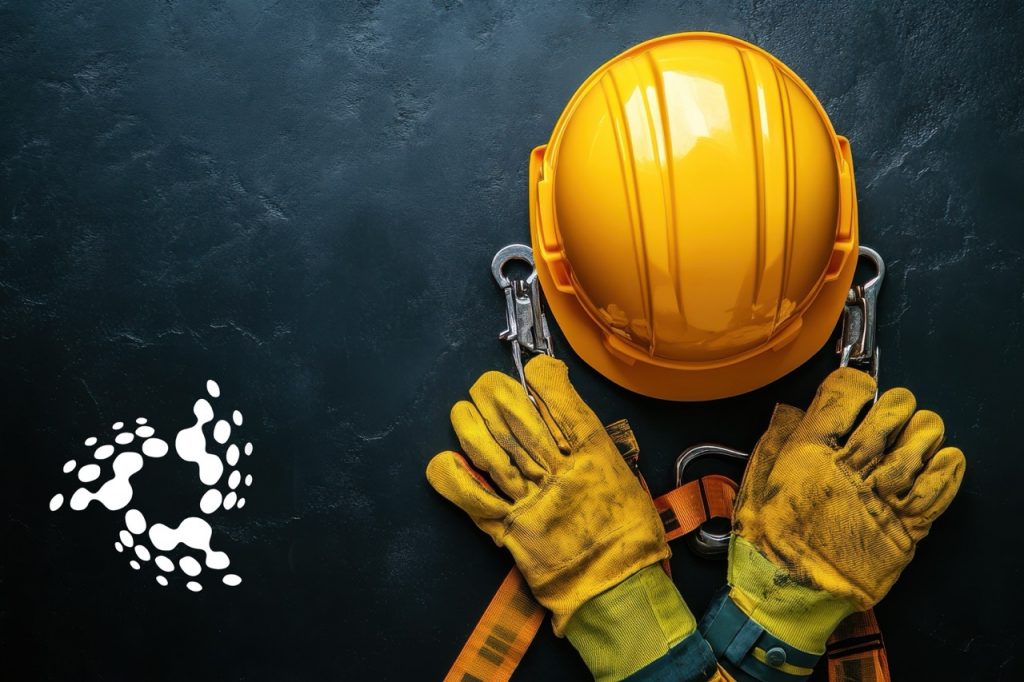
Beyond Compliance: Advancing Offshore Health & Safety in Guyana
Offshore oil operations are among the most challenging environments on earth — high pressure, remote locations, heavy machinery, and long shifts mean the risks are real. For Guyana, a fast-rising energy leader since 2019, offshore health and safety isn’t just about meeting regulations. It’s about protecting lives, safeguarding the environment, and earning trust in a global industry.
With production surpassing 600,000 barrels per day, the importance of health, safety, and environment (HSE) in Guyana’s offshore oil industry cannot be overstated. Going beyond compliance means creating a culture where safety is a value, not just a rule.
Why Offshore Health & Safety in Guyana Matters
Working offshore means operating 24/7 in harsh and unpredictable conditions. From hydrocarbon leaks to fatigue-related mistakes, most incidents are preventable with the right safety culture.
Benefits of advancing health and safety offshore include:
- Protecting workers and communities
- Preventing environmental damage
- Reducing downtime and costs
- Meeting international client expectations
In Guyana, many local companies have already seen that strong HSE standards are essential to win contracts with global operators. Safe operations are not just ethical — they’re profitable.
Pillars of Offshore Health & Safety in Guyana
- Training and Competence
Investing in continuous safety training is critical. Even small errors, such as improper equipment handling, can lead to serious incidents. Offshore contractors must prioritise:
- OPITO-approved courses for survival and well control
- Annual fire, evacuation, and emergency response drills
- Human factors training (communication, situational awareness, fatigue management)
A well-trained workforce turns safety compliance into instinct.
- Safety Audits and Culture
Regular safety audits identify risks before they escalate. These reviews cover equipment maintenance, PPE checks, permit-to-work systems, and more.
But audits alone aren’t enough. A strong safety culture empowers workers to:
- Report hazards and near-misses
- Stop unsafe work without fear
- Participate in safety meetings and toolbox talks
In Guyana, many international operators now require local contractors to pass HSE management audits. This drives continuous improvement and embeds safety in daily offshore life.
- Incident Prevention with Technology
Modern offshore platforms use multiple safety layers — blowout preventers, gas detection, shut-in systems, and predictive maintenance.
Guyana has also invested in a full-capacity capping stack for emergency well control, placing it among only a handful of oil-producing nations with such readiness. Real-time monitoring and digital systems allow operators to predict failures before they happen.
Proactive measures like Job Safety Analyses (JSAs) and the adoption of global Life-Saving Rules ensure risks are identified and controlled before work begins.
- Worker Wellbeing and Offshore Life
True HSE goes beyond hard hats and safety manuals. Offshore life in Guyana often involves 28-day rotations, 12-hour shifts, and shared living quarters. Fatigue and isolation are real risks.
Key practices include:
- Structured work/rest schedules
- Microbreaks to restore focus
- Mental health support and check-ins
- Respectful shared living etiquette
As we’ve shared in our Tip Thursday series: “Fatigue isn’t just feeling tired — it’s a serious safety hazard offshore. Rest isn’t weakness — it keeps you sharp.”
A healthy, alert workforce is the backbone of safe offshore operations.
Guyana’s Health & Safety Landscape
Guyana is drafting new oil-and-gas-specific regulations under the Occupational Safety and Health Act. At the same time, international operators are raising standards by requiring world-class HSE practices from local contractors.
This means that training centres, certification programs, and HSSE audits are growing rapidly across Guyana. For local contractors and workers, aligning with global best practices isn’t optional — it’s the key to long-term opportunity.
Conclusion: Setting a New Standard
Guyana has the chance to build an oil industry where offshore health and safety is world-class from day one. For contractors and HSE managers, the path forward is clear:
- Train continuously
- Audit rigorously
- Prevent proactively
- Care for wellbeing
At Leader Guyana, we believe that safety is more than compliance — it’s a commitment to excellence. By working together, we can set a new standard that ensures every worker comes home safely after each hitch.
Beyond compliance lies excellence. Let’s make that the standard in Guyana.
📩 Need guidance on advancing HSE standards in your operations? Reach out to our team at [email protected] to learn how Leader Guyana can support you.
Interested to read more blogs like this? Explore more Industry insights HERE.
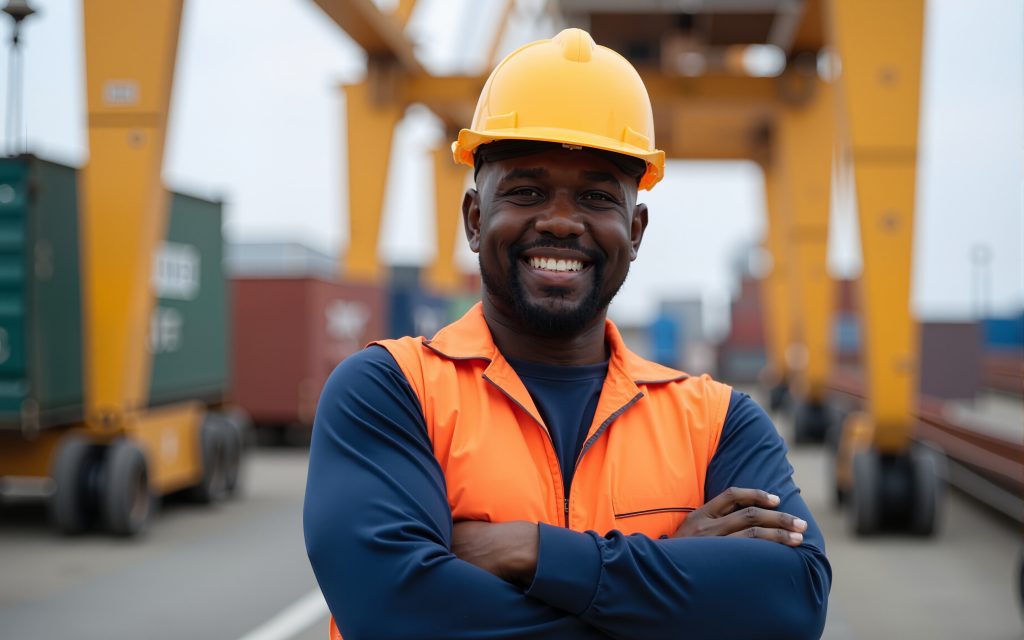
A worker in protective gear representing offshore health and safety in Guyana’s energy sector.